Heart problems do not always begin with dramatic symptoms. Sometimes the warning signs can be subtle, especially in older adults. Recognizing potentially serious symptoms and knowing when to seek medical care can make an important difference.
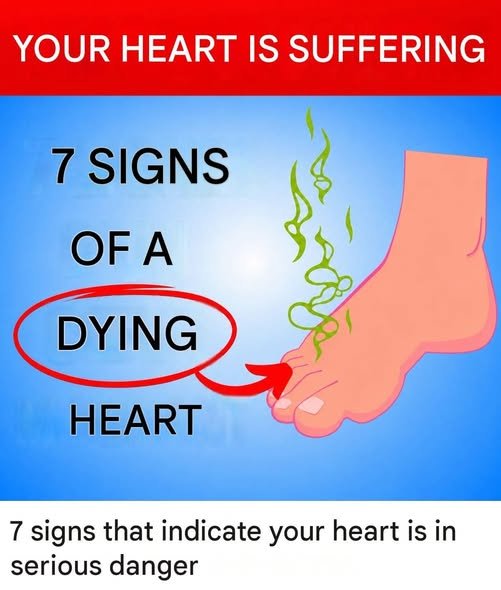
The following seven signs should not be ignored. They do not necessarily mean that a person has heart disease, but they can indicate a problem that deserves prompt medical evaluation.
1. Chest Pressure or Discomfort
Chest pressure, squeezing, heaviness, or discomfort can be a warning sign of a heart attack. The sensation may occur in the center or left side of the chest and can sometimes feel like indigestion or severe pressure.
If chest discomfort is sudden, severe, persistent, or accompanied by other concerning symptoms, seek emergency medical care immediately.
2. Shortness of Breath
Unexplained difficulty breathing can be associated with several heart and lung conditions.
Shortness of breath during ordinary activities—or breathlessness that occurs while resting or lying down—should be evaluated by a healthcare professional, particularly if it is new or worsening.
3. Pain That Spreads to Other Areas
Heart-related discomfort does not always stay in the chest. Pain or pressure may spread to the shoulder, arm, back, neck, jaw, or upper abdomen.
Some people, particularly women and older adults, may experience less typical symptoms rather than obvious chest pain.
4. Unusual Fatigue or Weakness
Feeling unusually exhausted without an obvious explanation can sometimes accompany heart problems.
Fatigue by itself has many possible causes, so it is not proof of heart disease. However, sudden or persistent fatigue—especially when combined with breathlessness, chest discomfort, dizziness, or reduced ability to perform normal activities—deserves medical attention.
5. Dizziness or Fainting
Feeling lightheaded or actually fainting can have many causes, including dehydration, low blood pressure, medication effects, and heart rhythm problems.
Unexplained fainting, particularly during physical activity or when accompanied by chest discomfort or palpitations, should be evaluated promptly.
6. Rapid, Irregular, or Pounding Heartbeat
Occasional awareness of your heartbeat can be harmless, but persistent or recurring episodes of racing, pounding, fluttering, or irregular heartbeats may indicate an abnormal heart rhythm.
If palpitations occur with chest pain, severe shortness of breath, fainting, or severe dizziness, emergency evaluation is important.
7. Swelling in the Legs or Ankles
Unexplained swelling in the feet, ankles, or lower legs can occur when fluid accumulates in the body. Heart conditions are one possible cause, although kidney disease, vein problems, medications, and other conditions can also cause swelling.
New or worsening swelling accompanied by breathlessness or rapid weight gain should be discussed with a healthcare professional.
When to Call for Emergency Help
Some symptoms require immediate action. Call your local emergency service if you experience symptoms that could indicate a heart attack, such as chest pressure or discomfort accompanied by shortness of breath, sweating, nausea, fainting, or pain spreading to the arm, back, neck, or jaw.
Do not drive yourself if emergency medical help is available.
Protecting Your Heart
You cannot prevent every heart condition, but several habits can reduce cardiovascular risk:
Keep blood pressure and cholesterol under control.
Don’t smoke or use tobacco.
Stay physically active according to your abilities.
Eat a balanced diet rich in vegetables, fruits, whole grains, legumes, and other minimally processed foods.
Maintain a healthy weight.
Manage diabetes if you have it.
Take prescribed medications as directed.
Attend recommended medical checkups.
The Bottom Line
These symptoms do not automatically mean that your heart is in serious danger. Many have causes unrelated to the heart. What matters is recognizing new, severe, sudden, or worsening symptoms and getting appropriate medical attention rather than trying to diagnose the problem at home.
When it comes to potentially serious heart symptoms, it is safer to seek medical advice promptly than to wait and hope they disappear.