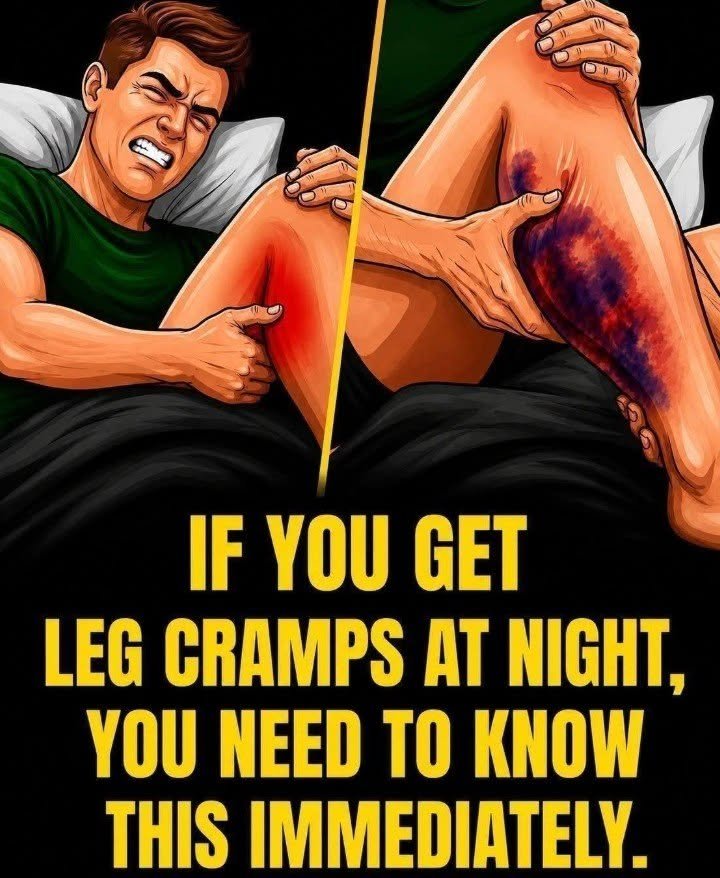
Waking up suddenly with a painful tightening in your calf or foot can be an unpleasant experience. Nighttime leg cramps are common, especially as people get older, and they can last anywhere from a few seconds to several minutes.
But why do they happen? And could frequent nighttime cramps be a sign that something else is going on?
The good news is that occasional leg cramps are usually not a serious problem. However, recurring cramps may sometimes be associated with medications, dehydration, muscle fatigue, nerve problems, circulation issues, or certain medical conditions.
What Are Nighttime Leg Cramps?
A leg cramp is a sudden, involuntary contraction of a muscle. It most commonly affects the calf, but cramps can also occur in the thighs, feet, or other muscles.
During a cramp, the affected muscle may feel extremely tight and painful. The area can sometimes remain tender after the cramp has stopped.
Nighttime cramps are particularly frustrating because they can interrupt sleep and may happen repeatedly.
1. Your Muscles May Be Overworked
One possible reason for nighttime cramps is muscle fatigue.
Standing for long periods, walking more than usual, exercising intensely, or performing activities that your body isn’t accustomed to can place extra stress on your muscles.
Giving your muscles enough time to recover and gradually increasing physical activity may help reduce the likelihood of cramps.
2. You May Not Be Getting Enough Fluids
Dehydration can contribute to muscle problems in some people.
If you sweat heavily, exercise in hot weather, or simply don’t drink enough fluids throughout the day, maintaining adequate hydration becomes especially important.
Rather than drinking large amounts of water all at once, aim to stay adequately hydrated throughout the day.
3. Your Mineral Balance May Matter
Minerals such as potassium, calcium, and magnesium play important roles in normal muscle and nerve function.
However, it is a mistake to assume that every nighttime leg cramp automatically means you have a mineral deficiency.
Taking supplements without knowing whether you need them isn’t always helpful and can sometimes be harmful. If cramps are frequent, a healthcare professional can help determine whether medication, diet, or an underlying condition could be contributing.
4. Certain Medications Can Play a Role
Some medications have been associated with muscle cramps in certain people.
For example, some medicines used to treat high blood pressure or cholesterol may contribute to muscle symptoms.
If your cramps began after starting a new medication, don’t stop taking it on your own. Instead, talk with your doctor or pharmacist. They can determine whether the medication could be contributing and whether any adjustment is appropriate.
5. Age Can Increase the Risk
Nighttime leg cramps become more common with age.
Changes in muscles, nerves, physical activity, and circulation may all contribute. Older adults may also be more likely to take medications or have health conditions that can affect muscle function.
Regular gentle movement and stretching can be useful components of maintaining healthy muscles.
6. Prolonged Sitting or Standing May Contribute
Spending many hours in one position can sometimes contribute to discomfort and muscle stiffness.
If you sit at a desk for long periods, try getting up regularly, walking around, and gently moving your legs.
Likewise, if your job requires prolonged standing, taking appropriate breaks and changing position when possible may help.
What Can You Do When a Cramp Happens?
When a painful cramp strikes, several simple measures may help:
Gently stretch the affected muscle.
Massage the cramped area.
Slowly move the leg once the muscle begins to relax.
Stand up and carefully put weight on the affected leg if you can do so safely.
Apply gentle heat if it helps relax the muscle.
Avoid forcing a severely cramped muscle into a painful stretch.
How Can You Reduce Nighttime Leg Cramps?
If you frequently experience cramps, consider some simple habits:
Stay hydrated. Drink fluids regularly throughout the day.
Stretch gently. A light calf stretch before bedtime may be helpful for some people.
Stay active. Regular moderate physical activity can support muscle health.
Avoid sudden increases in exercise. Increase the intensity or duration of workouts gradually.
Review your medications. If cramps started after a medication change, speak with your healthcare professional.
Eat a balanced diet. Include a variety of fruits, vegetables, whole grains, legumes, dairy or suitable alternatives, and other nutrient-rich foods.
When Should You Talk to a Doctor?
Occasional nighttime cramps are generally not a reason for alarm. However, frequent or severe cramps deserve attention, particularly if they are affecting your sleep or daily life.
Contact a healthcare professional if cramps:
Happen frequently or are becoming more severe
Cause significant or persistent pain
Are accompanied by muscle weakness
Occur with swelling, redness, or skin changes
Are associated with numbness or other neurological symptoms
Started after beginning a new medication
Are interfering significantly with sleep
Sudden leg pain accompanied by significant swelling, warmth, redness, or difficulty breathing requires prompt medical evaluation because these symptoms can have causes that are more serious than an ordinary muscle cramp.
The Bottom Line
Nighttime leg cramps can have many possible causes, and an occasional cramp doesn’t necessarily mean that your body is lacking a particular vitamin or mineral.
Muscle fatigue, dehydration, age, prolonged inactivity, medications, and certain health conditions may all play a role.
If your cramps happen regularly, don’t simply assume you need a supplement. Pay attention to when they occur, review any recent changes in your activity or medications, and speak with a healthcare professional if they persist.
A few simple habits—such as staying hydrated, remaining physically active, and gently stretching—may help, but persistent symptoms deserve a closer look.