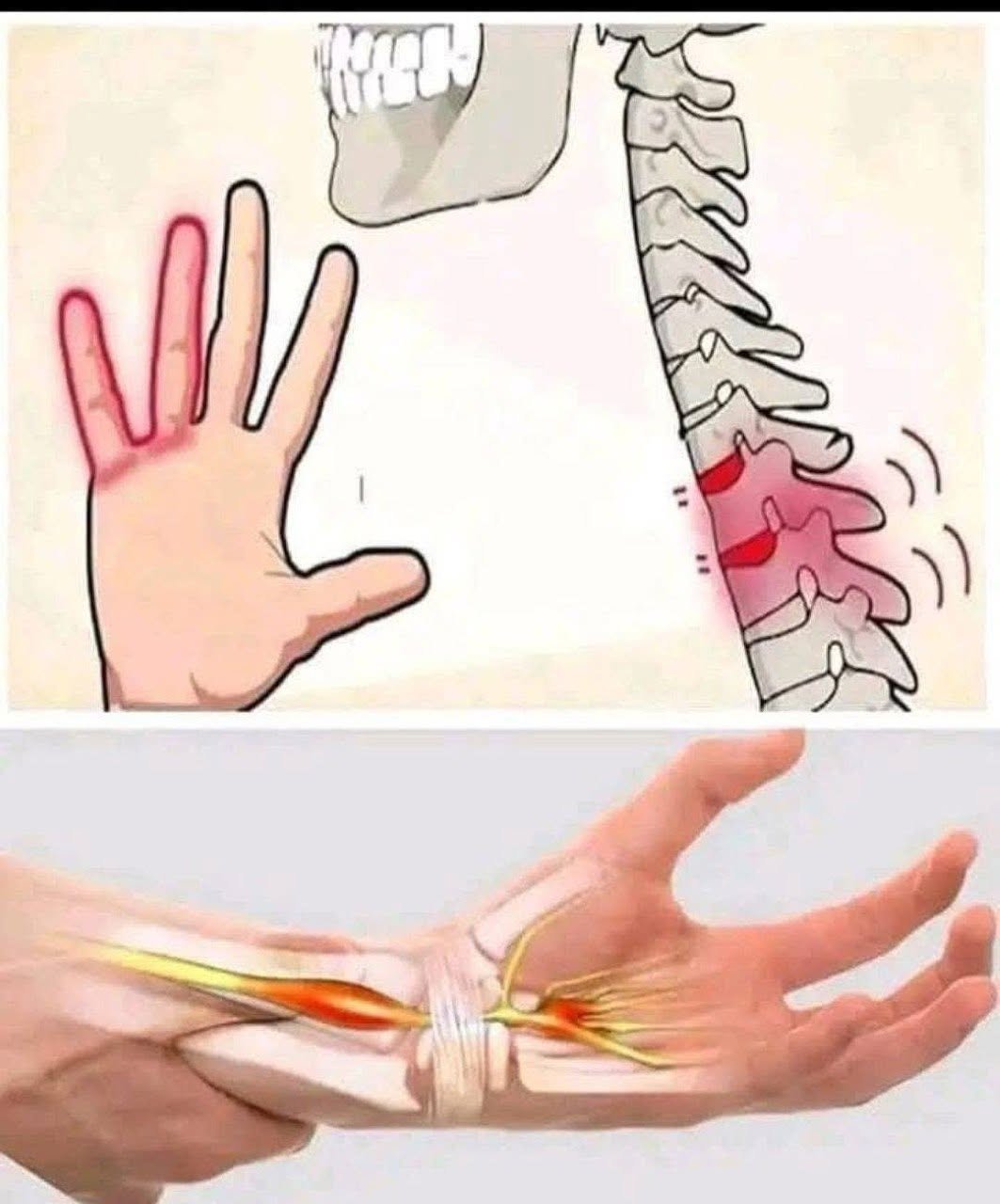
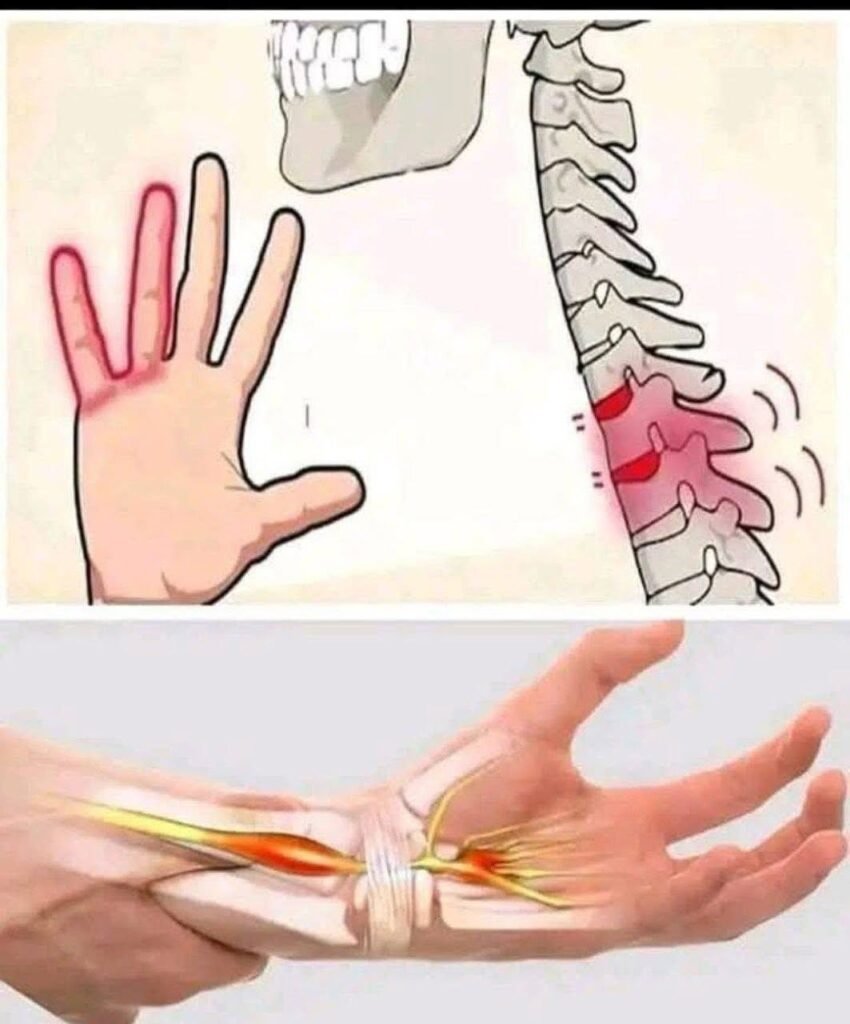
Have you ever woken up in the middle of the night because your hand feels numb, tingly, or strangely “asleep”? You may notice pins and needles, burning, or a sensation that disappears after you move your hand.
This experience is often called paresthesia. It is common and is frequently caused by temporary pressure on a nerve while you sleep. However, recurring or persistent numbness can sometimes point to an underlying problem that deserves medical attention.
Understanding the possible causes can help you know when a simple change in sleeping position may be enough—and when it is time to speak with a healthcare professional.
What Is Paresthesia?
Paresthesia describes unusual sensations such as:
Tingling
Numbness
Pins and needles
Burning
Prickling
A feeling that the hand has “fallen asleep”
Temporary paresthesia can happen when pressure is placed on a nerve or when blood flow is temporarily affected by body position.
When you change position and the sensation gradually disappears, it is often not a serious concern.
1. Your Sleeping Position May Be the Cause
One of the most common explanations is simply the way you sleep.
If your wrist, elbow, or arm remains bent or compressed for a long time, a nerve can become irritated or compressed.
Sleeping with your arm underneath your head or body may put additional pressure on nerves and cause your hand or fingers to become numb.
Try changing your sleeping position and avoid keeping your wrists sharply bent for long periods.
2. Carpal Tunnel Syndrome
If numbness repeatedly affects the thumb, index finger, middle finger, and part of the ring finger, carpal tunnel syndrome may be one possible cause.
The condition occurs when the median nerve becomes compressed as it passes through the wrist.
Symptoms can be particularly noticeable at night and may include tingling, numbness, discomfort, or weakness in the hand.
If these symptoms occur frequently, a healthcare professional can evaluate your wrist and determine whether carpal tunnel syndrome is likely.
3. Nerve Compression at the Elbow
Numbness affecting the little finger and ring finger can sometimes be associated with irritation or compression of the ulnar nerve near the elbow.
Sleeping with your elbow tightly bent for long periods may increase pressure on this nerve.
Avoiding prolonged elbow bending while sleeping may help some people, although persistent symptoms should be evaluated.
4. Neck Problems Can Affect the Hands
Nerves traveling from the neck into the arms can become irritated or compressed.
Conditions affecting the cervical spine may sometimes cause symptoms that travel from the neck or shoulder down the arm and into the hand.
If hand numbness occurs together with neck pain, arm pain, weakness, or persistent tingling, it is worth discussing with a healthcare professional.
5. Diabetes Can Affect Nerves
Over time, high blood sugar can damage nerves, a condition known as diabetic peripheral neuropathy.
This commonly affects the feet first, but nerve symptoms can also affect the hands.
People with diabetes who experience persistent numbness, burning, or tingling should discuss these symptoms with their healthcare team.
6. Vitamin Deficiencies and Other Conditions
Certain nutritional deficiencies, including vitamin B12 deficiency, can affect the nervous system.
Other medical conditions can also cause nerve symptoms.
However, numb hands do not automatically mean that you have a vitamin deficiency. Taking high-dose supplements without knowing the cause is not necessarily helpful and can sometimes be harmful.
A healthcare professional can determine whether blood tests or other evaluation are appropriate.
What Can You Do at Home?
If your hands occasionally fall asleep at night, start with simple measures.
Adjust Your Sleeping Position
Try not to sleep directly on your arm or hand. Keep your wrists in a relatively neutral position rather than sharply bent.
Move Gently
If your hand becomes numb, gently move your fingers, wrist, and arm after changing position.
Avoid aggressively shaking or stretching a painful or numb hand.
Take Breaks During the Day
If you spend long periods typing, using a mouse, working with tools, or performing repetitive hand movements, take regular breaks and change positions.
Pay Attention to Patterns
Keep track of which fingers become numb, whether one or both hands are affected, how long the symptoms last, and whether they occur during the day as well as at night.
These details can be useful when discussing the problem with a healthcare professional.
When Should You See a Doctor?
Occasional numbness that quickly disappears after changing position is often less concerning.
However, make an appointment with a healthcare professional if the symptoms:
Happen frequently
Are becoming worse
Last for a long time after waking
Occur during the daytime
Cause weakness or difficulty gripping objects
Are accompanied by persistent pain
Affect both hands or multiple areas of the body
Interfere with sleep or everyday activities
When Is Numbness an Emergency?
Sudden numbness or weakness—especially on one side of the body—can be a warning sign of a stroke.
Seek emergency medical care immediately if sudden numbness occurs with symptoms such as facial drooping, difficulty speaking, confusion, severe dizziness, trouble walking, or a sudden severe headache.
Don’t wait for these symptoms to disappear on their own.
The Bottom Line
Waking up with a hand that feels “asleep” is often caused by temporary nerve compression from your sleeping position. But repeated or persistent paresthesia can have other causes, including carpal tunnel syndrome, nerve compression, diabetes, nutritional deficiencies, or problems involving the neck.
Pay attention to the pattern and duration of your symptoms. Simple changes to your sleeping position may help, but persistent numbness or weakness deserves professional evaluation.
And remember: your hands falling asleep occasionally is common, but frequent or unexplained numbness shouldn’t simply be ignored.