Have you ever looked at your hands, arms, or legs and noticed that your veins seem much more visible than usual?
It may look alarming, but visible veins are not necessarily a sign of poor health. In many cases, they’re simply a normal part of your anatomy.
Several factors can make veins stand out more, including:
🩸 Genetics — Some people naturally have veins closer to the surface of their skin.
🏃 Exercise — Physical activity can temporarily increase blood flow and make veins more prominent.
🔥 Heat — Warm temperatures can cause blood vessels near the skin to expand, making veins easier to see.
⚖️ Body composition — Less tissue beneath the skin can make superficial veins more noticeable.
🎂 Age — As skin becomes thinner with age, veins may become easier to see.
🤰 Pregnancy — Increased blood volume and changes in circulation can make certain veins more prominent.
But when should you pay attention?
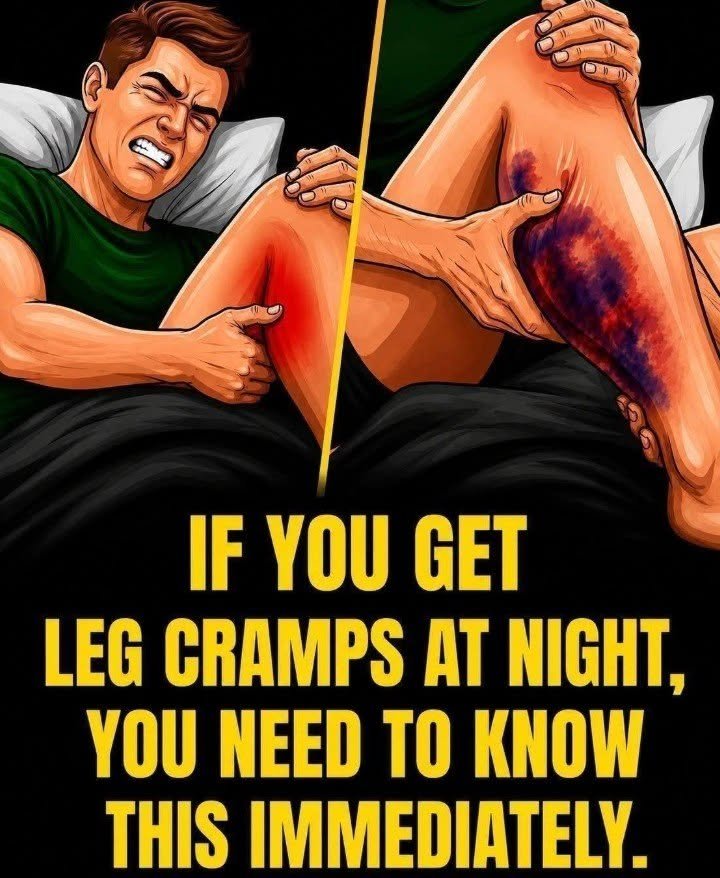
A vein that suddenly becomes painful, swollen, red, warm, hard, or unusually tender deserves medical attention.
Likewise, sudden swelling or pain in one leg—especially when accompanied by chest pain or unexplained shortness of breath—can require urgent medical evaluation.
The Bottom Line
Visible veins don’t automatically mean you’re unhealthy—or exceptionally fit. For many people, they’re simply a normal feature that becomes more noticeable under certain conditions.
What matters is a sudden change or the presence of other symptoms, rather than vein visibility alone.
Your veins can tell you something about your body, but one visible vein doesn’t tell the whole story.