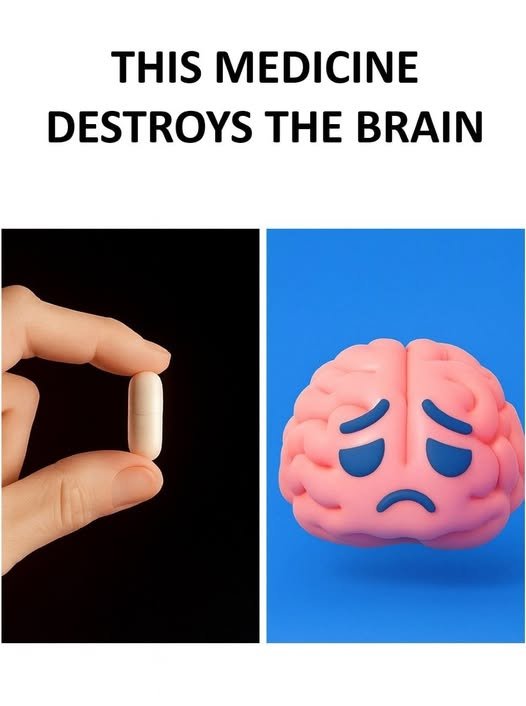
As we get older, it is common to take several prescription and over-the-counter medicines. Most medications are prescribed for good reasons and can be extremely important for maintaining health. However, some medicines can affect memory, concentration, alertness, or balance—especially in older adults.
The American Geriatrics Society’s Beers Criteria identifies medications that may be inappropriate or require particular caution in older people because their potential risks can outweigh their benefits in some circumstances.
This does not mean that these medicines automatically cause dementia. The relationship between medication use and dementia is complicated, and an individual’s underlying health conditions, dosage, duration of treatment, and combination of medicines all matter.
1. Strong Anticholinergic Medicines
Anticholinergic medicines can interfere with acetylcholine, a chemical messenger involved in memory and other brain functions.
Some older adults may experience confusion, drowsiness, constipation, dry mouth, blurred vision, or problems with memory while taking these medicines. Strong anticholinergic drugs are specifically highlighted in geriatric prescribing guidance.
2. Certain Antidepressants With Strong Anticholinergic Effects
Not every antidepressant has the same effects. Some older antidepressants have significant anticholinergic activity and may be problematic for older adults.
Doctors may consider alternatives depending on the person’s symptoms, other medications, and overall health.
3. Benzodiazepines
Medicines such as diazepam, lorazepam, and clonazepam belong to the benzodiazepine family.
They can cause sedation, impaired coordination, confusion, and memory problems, particularly in older adults. They can also increase the risk of falls. The AGS Beers Criteria recommends caution with benzodiazepines in older people.
4. Certain Sleep Medicines
Some prescription sleep medications can produce effects similar to benzodiazepines or other sedating drugs. In older adults, these effects may include confusion, impaired balance, and excessive daytime sleepiness.
A medication that helps someone sleep may therefore have unwanted consequences that should be discussed with a healthcare professional.
5. First-Generation Antihistamines
Some older antihistamines have strong anticholinergic effects. They may be found not only in allergy medicines but also in certain over-the-counter products used for sleep or cold symptoms.
Older adults should check the active ingredients of nonprescription medicines rather than assuming that an over-the-counter product is automatically harmless.
6. Certain Antipsychotic Medicines
Antipsychotic medications can be appropriate for specific medical conditions, but they also carry important risks in older adults.
The Beers Criteria includes antipsychotics among medication classes requiring particular caution in older people.
These medicines should never be stopped suddenly or changed without medical guidance.
7. Some Medicines Used for Bladder Problems
Certain medications prescribed for urinary urgency or overactive bladder have anticholinergic effects. In susceptible older adults, these effects can contribute to confusion and other cognitive symptoms.
A doctor or pharmacist can determine whether a different treatment might be appropriate.
8. Combinations of Medicines
Sometimes the concern is not one particular medication but the combined effect of several medicines.
Taking multiple medications with sedating or anticholinergic properties can increase the overall burden on the brain and body. The AGS Beers Criteria specifically includes potentially harmful drug combinations and recommends individualized medication review.
Don’t Stop Medication on Your Own
Seeing a medication on a list like this does not mean you should stop taking it.
Some medicines are essential, and suddenly discontinuing certain drugs can be dangerous. Instead, ask your doctor or pharmacist to review your complete medication list—including prescriptions, over-the-counter medicines, vitamins, and supplements.
A professional can determine whether a medicine is still necessary, whether the dose is appropriate, or whether a safer alternative is available.
The Bottom Line
There is no simple list of eight drugs that inevitably cause dementia. However, certain medication classes deserve particular attention in older adults because they can contribute to confusion, sedation, memory problems, falls, or other adverse effects.
Regular medication reviews can help older adults receive the benefits they need while reducing unnecessary risks. The goal is not to stop useful treatments—it is to make sure every medication has a clear purpose and remains appropriate for the individual.