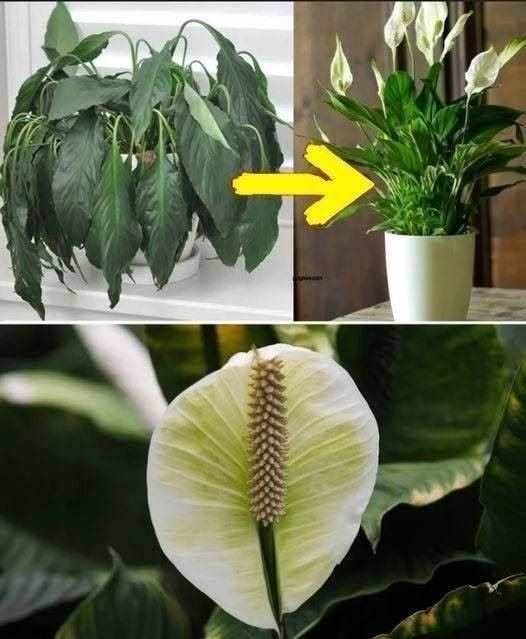
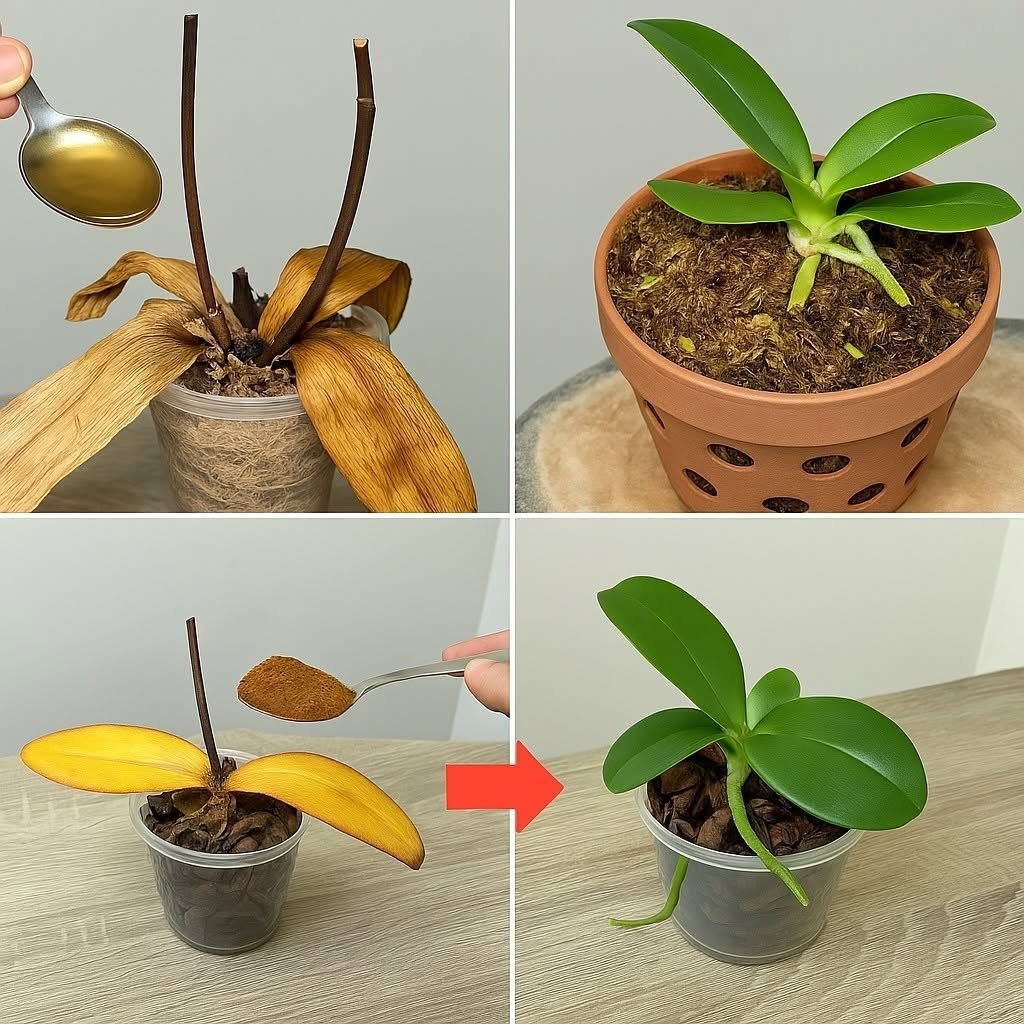
Have you ever come across a gardening tip that promises to transform a struggling houseplant with just one tablespoon of a common household ingredient?
These simple plant-care tricks are popular online because they sound almost too easy to be true. But while certain materials can be useful in the garden, there is no single ingredient that is suitable for every plant.
Before sprinkling or pouring anything into your plant’s soil, it’s important to understand what the ingredient actually does—and whether your particular plant needs it.
Why a “One-Spoon” Remedy Can Be Misleading
Plants have different nutritional and environmental requirements.
A cactus does not need the same soil conditions as an orchid. A tropical houseplant may require completely different care from a succulent.
Adding an unnecessary substance to the soil can sometimes change its pH, increase salt levels, damage roots, or interfere with nutrient availability.
So instead of asking, “What can I put on every plant?” ask:
What does this particular plant need?
What About Baking Soda?
Baking soda is sometimes recommended as a homemade gardening remedy.
However, it should not be treated as a universal plant fertilizer.
Baking soda contains sodium, and excessive sodium can accumulate in soil and potentially damage plants.
If you’re dealing with a specific fungal problem, it’s better to identify the problem first and use a treatment appropriate for that plant.
What About Sugar?
Sugar is another popular online plant-care suggestion.
Plants produce their own sugars through photosynthesis, so adding ordinary table sugar to the soil isn’t a substitute for proper plant nutrition.
Excess sugar may also encourage unwanted microbial activity and attract insects.
Your plant is much more likely to benefit from appropriate light, watering, and nutrients than from a spoonful of sugar.
What About Coffee Grounds?
Used coffee grounds can sometimes be incorporated into compost, but putting large quantities directly around every houseplant isn’t a good idea.
Fresh or concentrated coffee products can have different effects, and excessive organic material on the surface of moist soil can contribute to mold or attract pests.
If you want to use coffee grounds, composting them first is generally a more controlled approach.
The Real “Secret Ingredient” for Healthy Plants
Instead of searching for a miracle tablespoon, focus on the basics.
1. Give Your Plant the Right Light
Light requirements vary widely.
Some plants prefer bright indirect light, while others can tolerate lower-light conditions. Too much direct sunlight can burn certain leaves, while insufficient light can lead to weak, stretched growth.
2. Don’t Overwater
Overwatering is one of the most common causes of houseplant problems.
Roots need oxygen as well as moisture. Soil that stays constantly saturated can encourage root problems.
Always consider the plant’s species, pot size, soil, temperature, and humidity before watering.
3. Use Proper Drainage
A container with adequate drainage can help prevent excess water from accumulating around the roots.
If your decorative pot has no drainage hole, consider using a suitable nursery pot inside it.
4. Feed Plants When They Need It
Plants require nutrients such as nitrogen, phosphorus, and potassium, along with smaller amounts of other nutrients.
A balanced fertilizer formulated for the type of plant you’re growing is usually a better choice than experimenting with random kitchen ingredients.
Always follow the product instructions.
What Should You Expect After Adding Something to the Soil?
Don’t expect an instant transformation.
Healthy plant growth takes time. New leaves, stronger roots, and flowers develop according to the plant’s natural growth cycle.
If a plant suddenly looks unhealthy, the cause may be insufficient light, overwatering, underwatering, pests, temperature stress, poor drainage, or disease.
Identifying the underlying problem is usually more effective than adding another substance to the soil.
A Better Rule for Houseplant Care
Before putting anything in your plant’s pot, ask three questions:
Does the plant actually need it?
Could it change the soil or damage the roots?
Is there evidence that it helps this particular plant?
If you can’t answer these questions, it’s safer not to experiment.
The Bottom Line
A tablespoon of a household ingredient isn’t a universal solution for every houseplant.
While some natural materials can have legitimate uses in gardening, applying them indiscriminately can sometimes do more harm than good.
Healthy plants usually depend on a much simpler formula: the right light, appropriate watering, good drainage, suitable soil, adequate nutrients, and consistent care.
Instead of looking for a miracle spoonful, learn what your specific plant needs. That’s the gardening trick most likely to produce lasting results.